
Over the first year fo the project, the RSS team moved the RevAgroForMed project from planning into practical field implementation, combining active project coordination with the establishment and monitoring of a Living Lab in Jerash, Jordan. The team participated in the project’s online and in-person kick-off meetings, regular coordination sessions, Project Management Committee meetings, and the Gender Action Plan meeting, helping align activities with the wider project partnership.
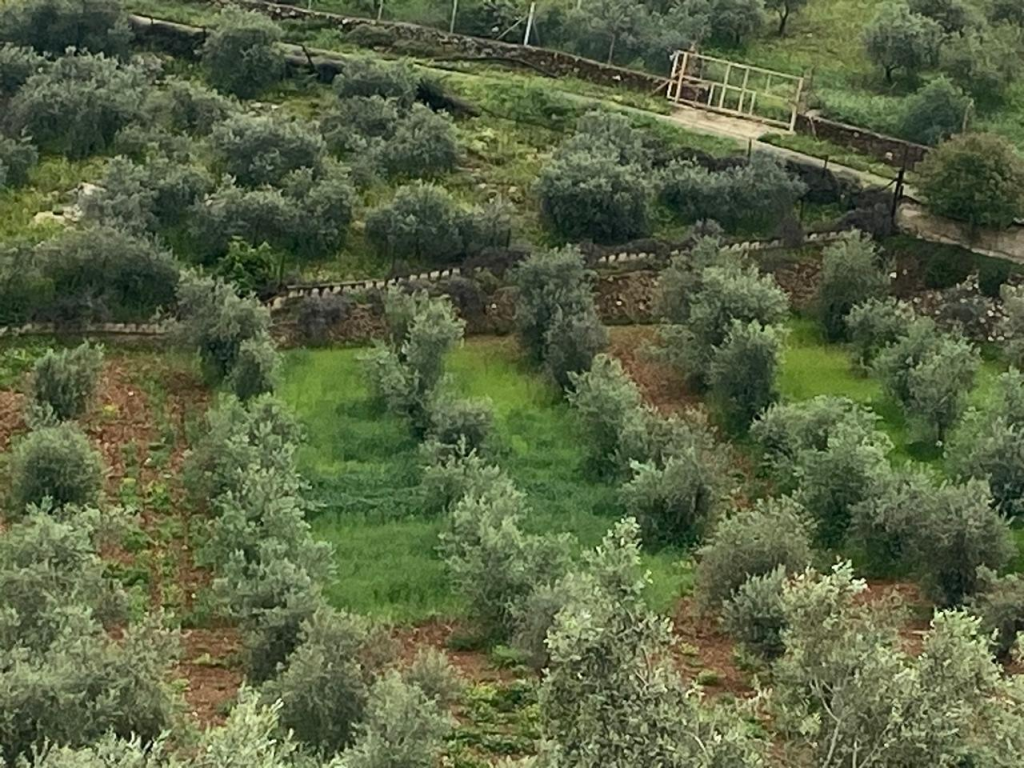
From planning to a working Living Lab. A suitable farm for intercropping was selected in Majdal, Jerash Governorate, in October 2025, following defined selection criteria and an agreement with the landowner. RSS also developed an Internal Monitoring Plan covering the summer and winter crops planned throughout the project. The field photographs show the selected olive-based landscape and the progression of cultivation within the farm.
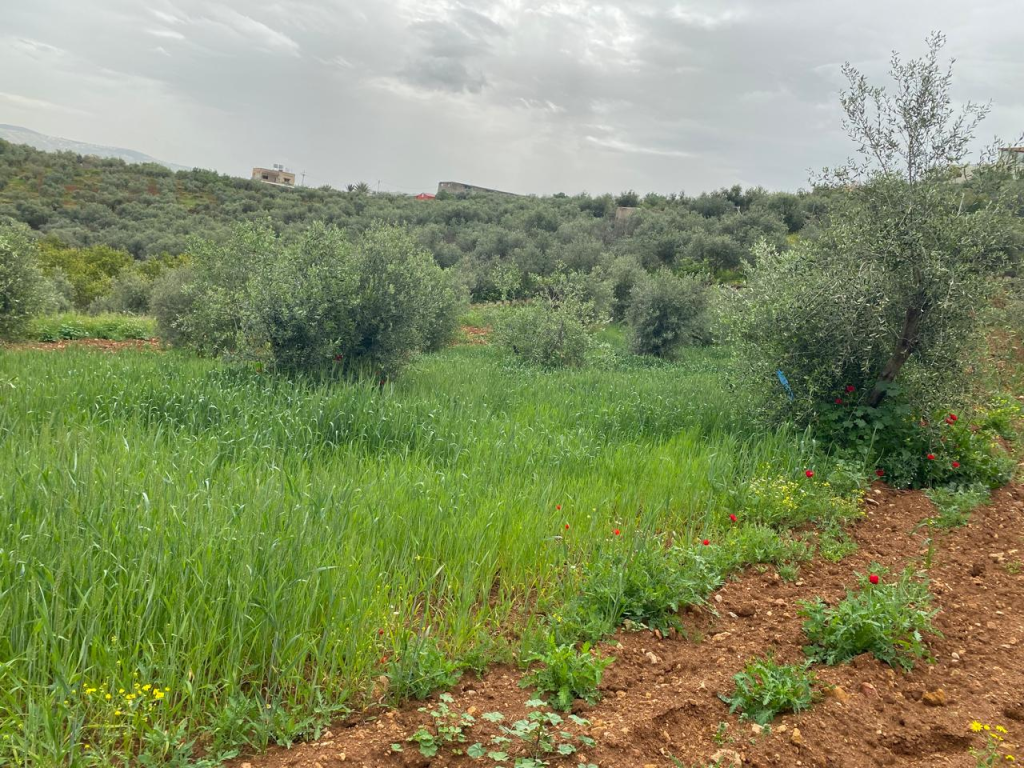
The first winter cultivation cycle delivered measurable results. In December 2025, compost was applied at 1,250 litres per designated plot, followed by the planting of two wheat varieties supplied by Jordan’s National Agricultural Research Centre: Marow 1, intended for pasta production, and Mshaqar 1, intended for bread production.
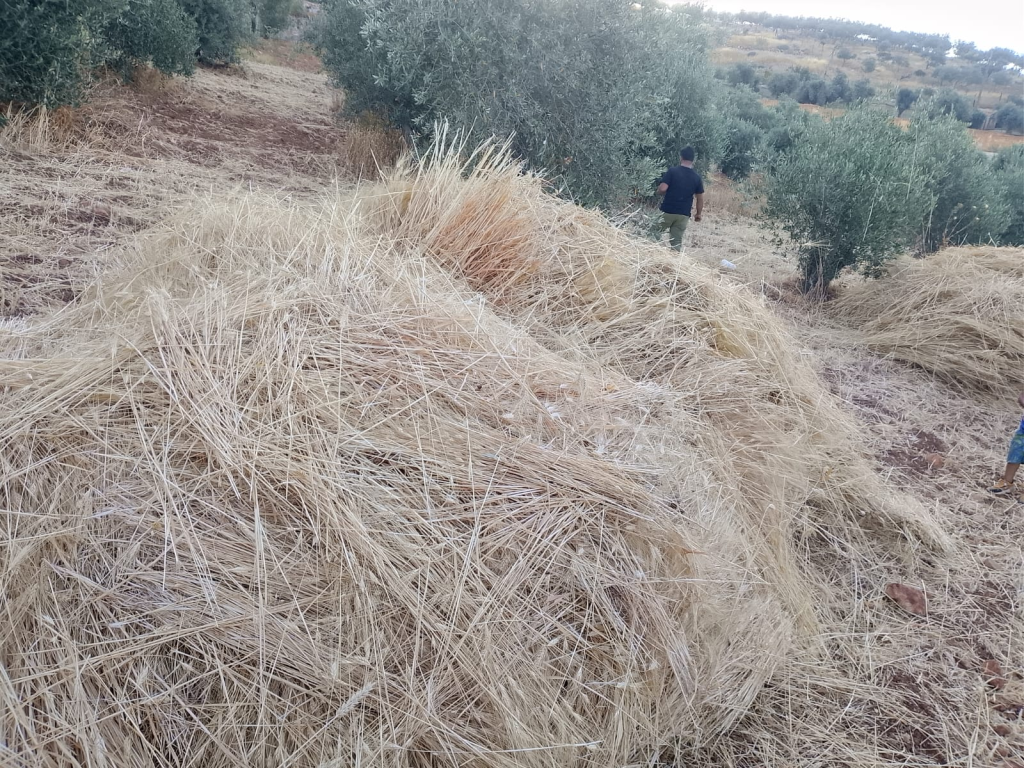
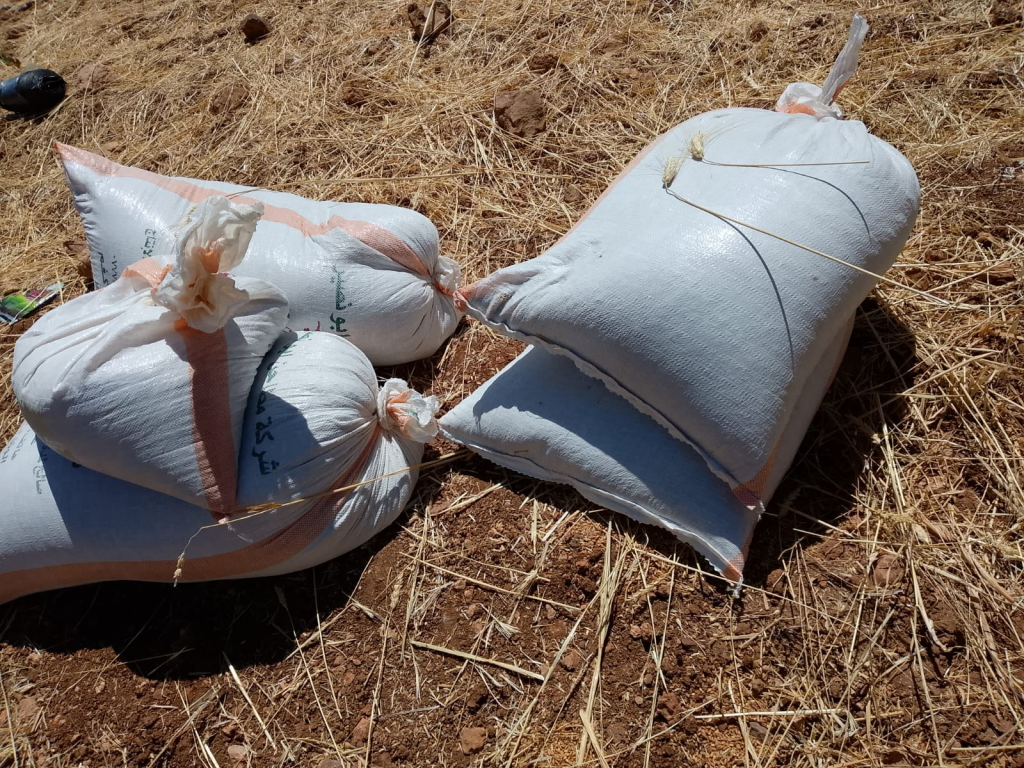
By June 2026, both wheat varieties had been harvested and their yields recorded. Marow 1 produced 84.5 kg from 270 m², equivalent to 3.13 tonnes/ha, while Mshaqar 1 produced 128.9 kg from 275 m², equivalent to 4.7 tonnes/ha. These results provide concrete field data from the project's first winter cropping season.
Progress is also reflected in a substantial set of project outputs. The report records work covering the Internal Monitoring Plan, the agro-environmental and socioeconomic context of Jerash, agricultural indicators, contributions to project deliverables, landscape contexts and scenarios, olive farm selection, and the allocation of plots for winter and summer crops.
Overall, the year marks a clear transition from project set-up to evidence-generating field activity: the Living Lab is established, the first cultivation and harvest cycle has been completed, quantitative yield data are available, and the groundwork is in place for subsequent seasonal cropping and monitoring.