This spring marked an important step forward for the RevAgroforMed project, supported by the PRIMA Partnership, as activities in Catalonia moved from stakeholder dialogue to field research. Through focus group meetings and the first sampling campaign, the project is building a stronger understanding of the challenges facing Arbequina olive farming and exploring pathways towards more sustainable and resilient Mediterranean agroecosystems.
In March, two focus group sessions were organised to discuss the main challenges and opportunities facing the Arbequina olive sector in Catalonia. The meetings took place at ETSEA – Universitat de Lleida and the Mas Bové Agricultural School in Constantí, Tarragona.
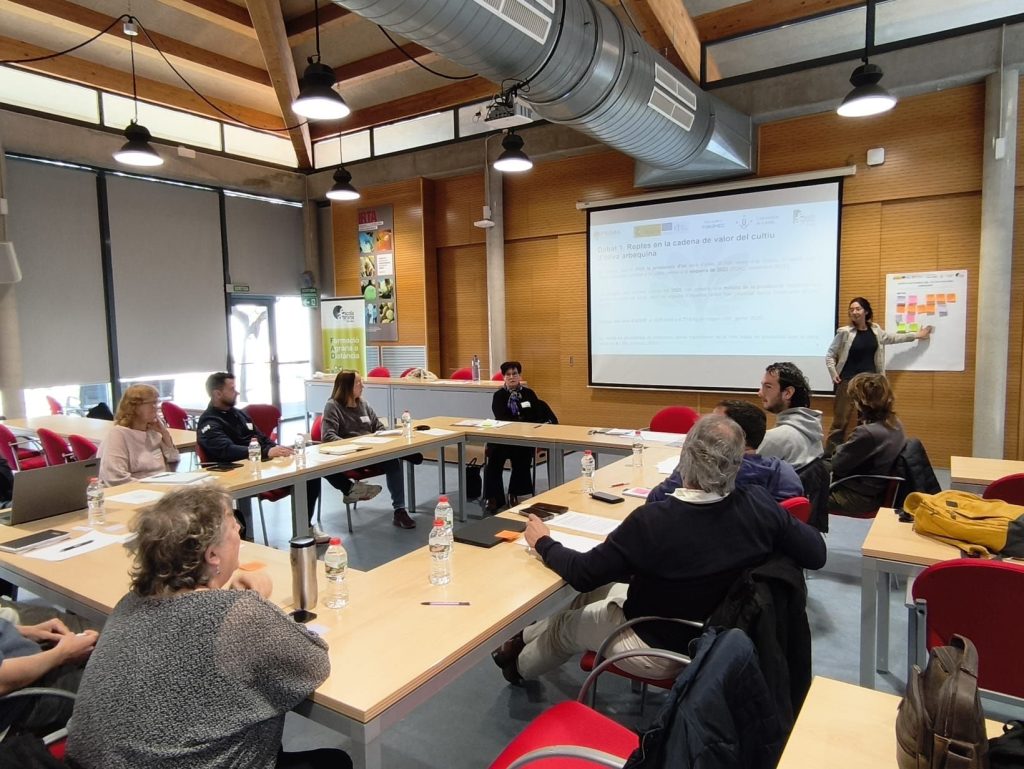
Farmers, researchers, technicians, and policymakers came together to exchange perspectives, identify key challenges, and share knowledge from across the sector. The sessions also provided a space to co-create potential solutions and discuss how innovative management approaches could contribute to the long-term sustainability of olive farming.
An important part of the meetings was the presentation of the Living Lab Arbequina Catalunya (LLAC), an initiative designed to promote sustainable agricultural practices, strengthen climate resilience and reinforce the olive sector’s value chain.
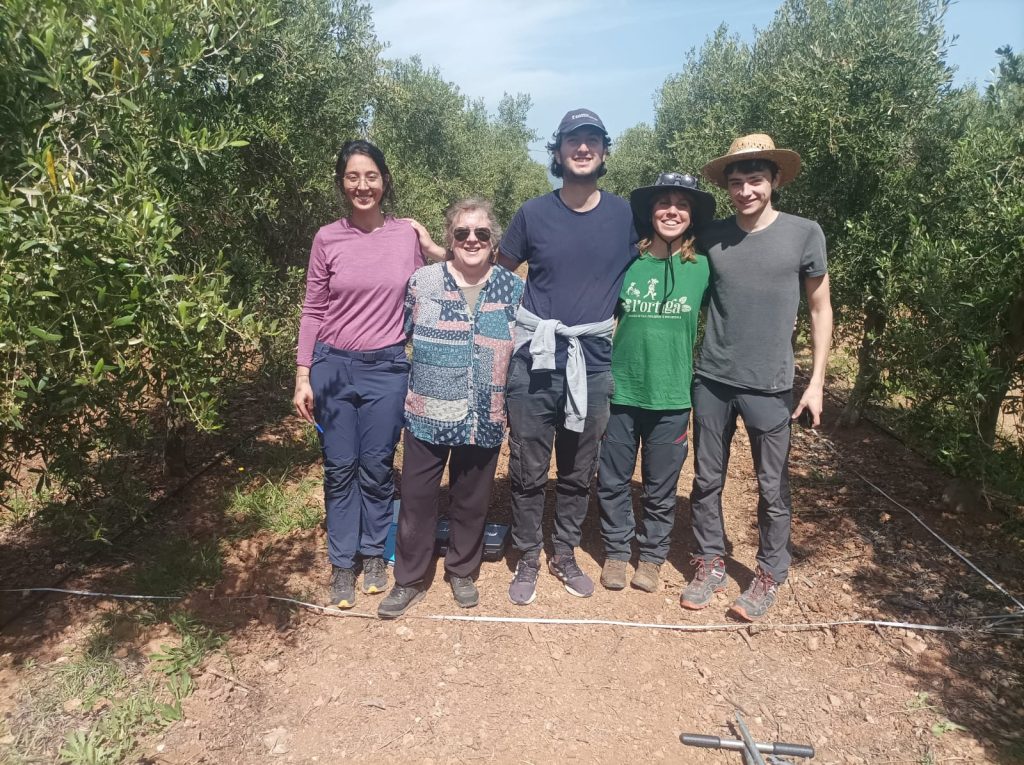
Beyond generating valuable insights, these discussions helped establish connections among stakeholders and provided important guidance for the fieldwork that followed.
Building on the outcomes of the focus groups, the RevAgroforMed team launched its first field sampling campaign in April, working across olive farming systems in different areas of Tarragona and Lleida.
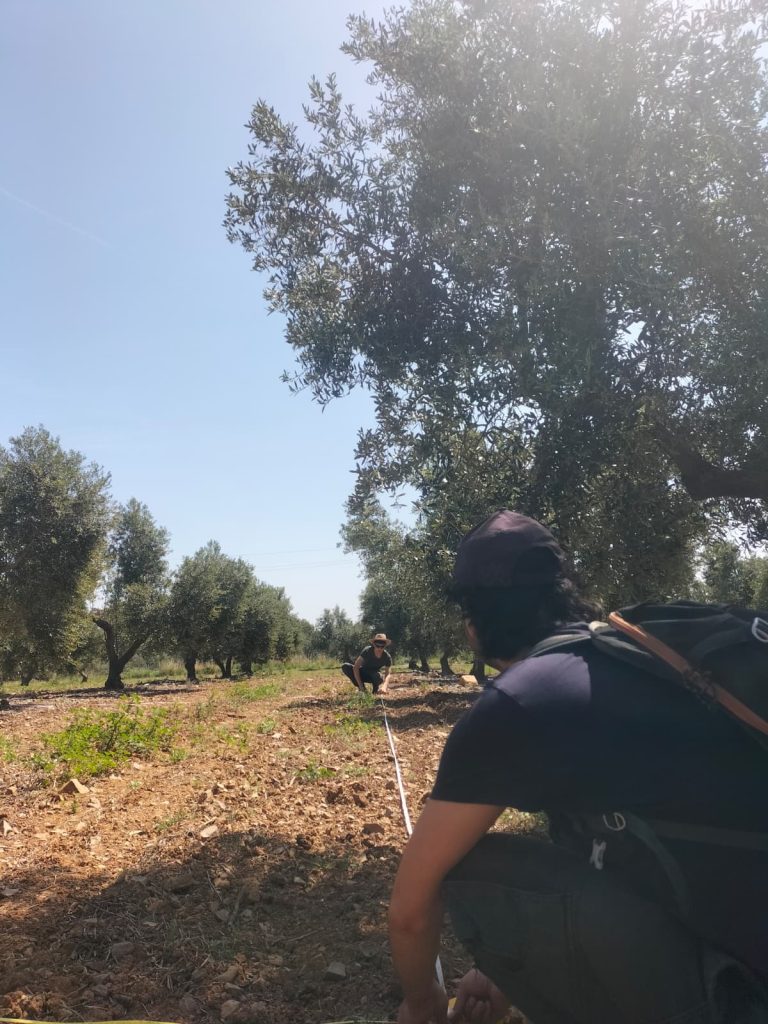
During the campaign, field plots were established to assess three key dimensions of olive agroecosystems: vegetation cover, soil properties and farm management practices. By collecting and analysing this information, the project aims to better understand how different farming and management strategies influence soil quality, biodiversity and the overall sustainability of Mediterranean agroecosystems.

The results will contribute to RevAgroforMed’s broader goal of identifying approaches that can improve agricultural productivity while increasing resilience to environmental and climatic pressures.
The focus groups and first sampling campaign represent complementary steps in the same process: combining local knowledge, scientific research and collaboration to support the transition towards more resilient farming systems.
From conversations around the table to measurements in the olive groves, RevAgroforMed is creating the evidence and partnerships needed to explore sustainable solutions for Mediterranean agriculture.